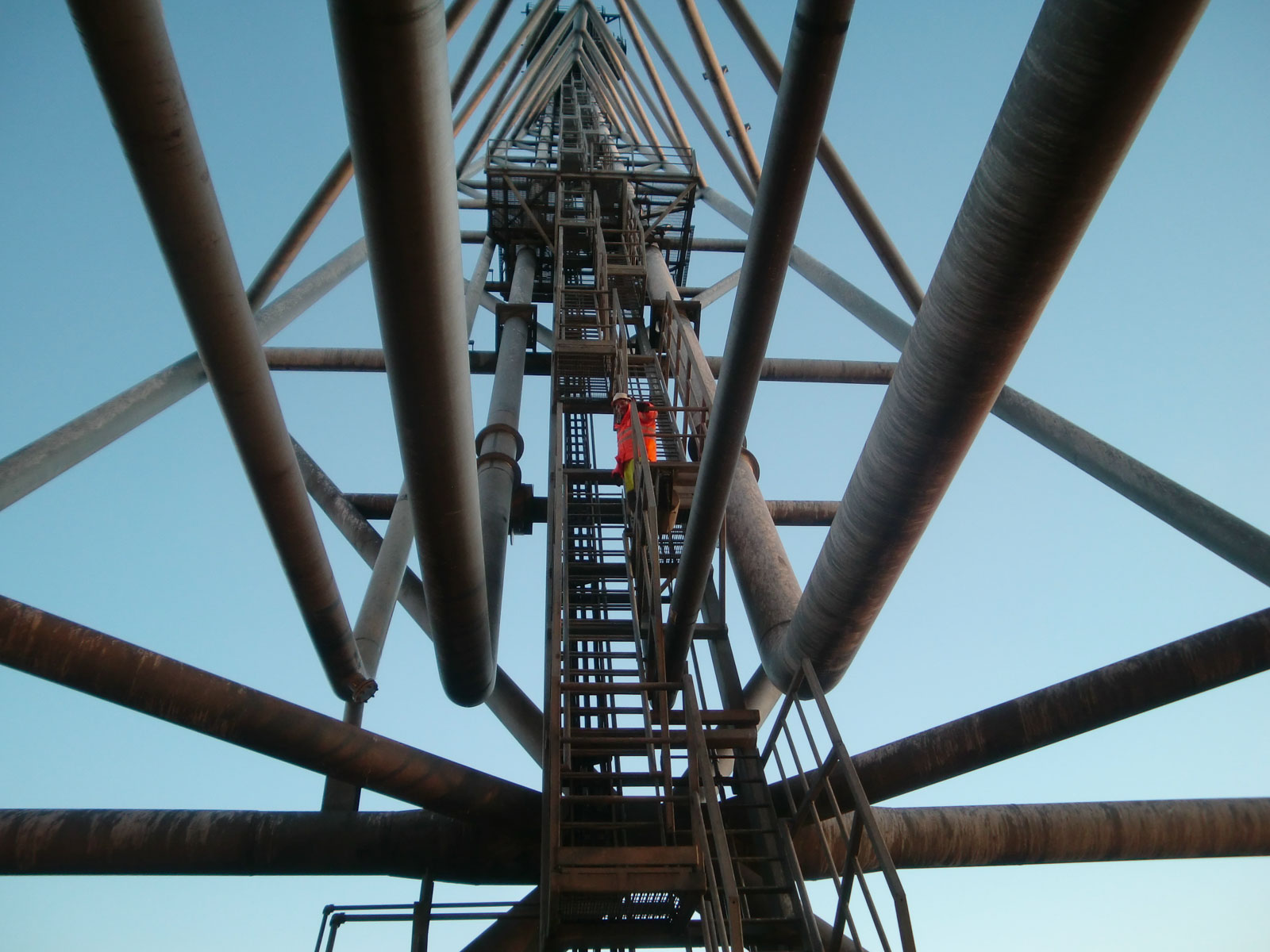
Constant spring support solutions for industrial applications.
Engineered to accommodate vertical movement in piping systems, constant spring supports by Carpenter & Paterson Norway play a crucial role in maintaining alignment and reducing stress on critical components. These supports provide a consistent supporting force, regardless of pipe movement or load changes. Ensuring stability and safety, they help extend the lifespan of industrial equipment and infrastructure. Discover how advanced constant spring support solutions from Carpenter & Paterson Norway can optimize your operations and prevent costly downtime.
Contact us
Improve piping reliability with spring supports
Constant spring supports from Carpenter & Paterson Norway are designed to ensure the stability and safety of industrial piping systems by providing a consistent supporting force during vertical movement. These supports maintain proper pipe alignment, reduce stress caused by load changes or thermal expansion, and prevent mechanical failures such as leaks or misalignment. They are widely used in industries like power generation, refineries, and chemical processing. Constant spring supports extend equipment lifespan, minimize maintenance costs, and enhance operational reliability. Regular inspection and maintenance of these supports are essential for optimal performance and to avoid costly downtime.
Benefits of Using Constant Spring Supports
Constant spring support systems by Carpenter & Paterson Norway play a crucial role in maintaining the integrity and performance of industrial piping networks. They provide a uniform supporting force that accommodates vertical movement due to temperature fluctuations or shifting loads, ensuring pipes stay properly aligned. This support reduces the risk of mechanical failures, leaks, and expensive downtime. Constant spring supports also help extend equipment lifespan by reducing stress on joints and connections, resulting in lower maintenance costs and improved operational reliability in various industries.
Selecting the Right Constant Spring Support
Choosing a constant spring support requires attention to load range, travel distance, installation position, and the conditions the piping will face in service. The goal is to maintain a stable supporting force while accommodating expected vertical movement with precision. If the selection is incorrect, pipe stress can increase, and connected equipment may be exposed to unnecessary strain. A suitable constant spring support helps preserve alignment and supports better performance across the full operating cycle. It can also simplify maintenance planning by reducing premature wear in the system. Careful selection is therefore a key step in building a durable and efficient piping installation.
Engineered Constant Spring Support Accuracy
A constant spring support must deliver dependable load control across the full movement range of a piping system. Precision engineering helps maintain a near-uniform supporting force even when thermal expansion causes vertical travel. This protects connected equipment from unnecessary strain and supports better alignment over time. In demanding industrial plants, accurate support performance can reduce vibration, mechanical fatigue, and stress at critical connection points. A well-designed constant spring support also contributes to smoother operation during start-up, shutdown, and load changes. For facilities that value reliability, accuracy in support design is a practical advantage.
How Constant Spring Support Handles Travel
A constant spring support is designed to manage vertical pipe travel while keeping the supporting force nearly unchanged. This makes it ideal for systems affected by thermal expansion, contraction, and changing operating conditions. When movement is expected over a defined range, the support helps protect alignment and connected equipment. It also limits excess stress on nozzles, joints, and welded points. Proper travel handling improves reliability throughout the operating cycle. For demanding piping layouts, this performance is essential.
Stable Support During Thermal Expansion
A constant spring support is designed to keep pipe loads stable when temperatures rise or fall during operation. By delivering a near-uniform supporting force throughout the full movement range, it helps prevent excessive stress on joints, nozzles, and connected equipment. This is especially important in process plants, where thermal expansion can cause alignment problems over time. A well-matched support improves system balance and contributes to safer, more reliable piping performance.
Stable Support During Thermal Expansion
A constant spring support is designed to keep pipe loads stable when temperatures rise or fall during operation. By delivering a near-uniform supporting force throughout the full movement range, it helps prevent excessive stress on joints, nozzles, and connected equipment. This is especially important in process plants, where thermal expansion can cause alignment problems over time. A well-matched support improves system balance and contributes to safer, more reliable piping performance.
"More than 60 years of leading, in quality and competence
Ensuring safe operations in offshore and onshore industry.
Questions and Answers
How does a constant spring support function in piping systems?
A constant spring support provides a consistent supporting force during vertical pipe movement, maintaining alignment and reducing stress from load changes or thermal expansion for safe, stable operation.
Why are constant spring supports essential for industrial piping?
They minimize stress and misalignment caused by thermal expansion or load shifts, preventing pipe sagging, leaks, and mechanical failures for safer, more reliable systems.
What advantages do constant spring supports offer?
They reduce stress on pipes and equipment, improve alignment, lower the risk of leaks or failures, cut unplanned shutdowns, extend system lifespan, and help reduce maintenance costs.
Which industries frequently utilize constant spring supports?
They are widely used in power generation, refineries, and chemical processing, where reliable handling of vertical pipe movement under varying loads and temperatures is crucial.
What is the primary function of a constant spring support in industry?
The main purpose of a constant spring support is to provide a uniform supporting force to pipes undergoing vertical movement. This helps maintain proper alignment, reduces stress on piping systems, and prevents mechanical issues caused by load changes or temperature variations.
How do constant spring supports affect maintenance expenses?
Constant spring supports help lower maintenance costs by minimizing wear and tear on pipes and connected equipment. By accommodating vertical movement and reducing stress, these supports decrease the likelihood of damage, leaks, or system failures, leading to fewer repairs and less downtime.
Which operational problems are avoided with constant spring supports?
Constant spring supports help prevent operational issues such as pipe misalignment, joint stress, leaks, and mechanical failure. By absorbing load shifts and thermal expansion, they contribute to safer and more reliable operation of industrial piping networks.
What piping movements are best managed with constant spring supports?
Constant spring supports from Carpenter & Paterson Norway are most suitable for piping systems experiencing significant vertical movement due to thermal expansion, contraction, or fluctuating loads. They ensure consistent support and stability in situations where pipes are subject to frequent or substantial elevation changes.
